


Demand for hurricane shutters spikes every year as storm season approaches, and coastal homeowners are researching their options earlier than ever. That means hurricane shutter companies aren’t just competing on installation quality anymore, they’re competing for visibility online, often months before the first storm warning even hits the news. This guide breaks down what actually works for marketing a storm protection business, from getting found locally to turning that attention into booked installations.
Understanding the Hurricane Shutter Customer Journey
Not every homeowner researching shutters is in the same headspace. Some are proactive, thinking ahead about storm preparedness well before hurricane season officially starts. Others are reactive, searching frantically as a storm approaches and they realize their windows aren’t protected. Both groups matter, but they need very different messaging.
The proactive buyer wants education: product comparisons, building code info, maybe insurance discount details. The reactive buyer wants speed: availability, pricing, and how fast you can get someone out to their property. Understanding where a homeowner or property owner sits in that journey shapes almost everything else in your marketing, from the content you publish to the ads you run.
Winning Local SEO for Hurricane Shutter Companies
Google Business Profile Optimization
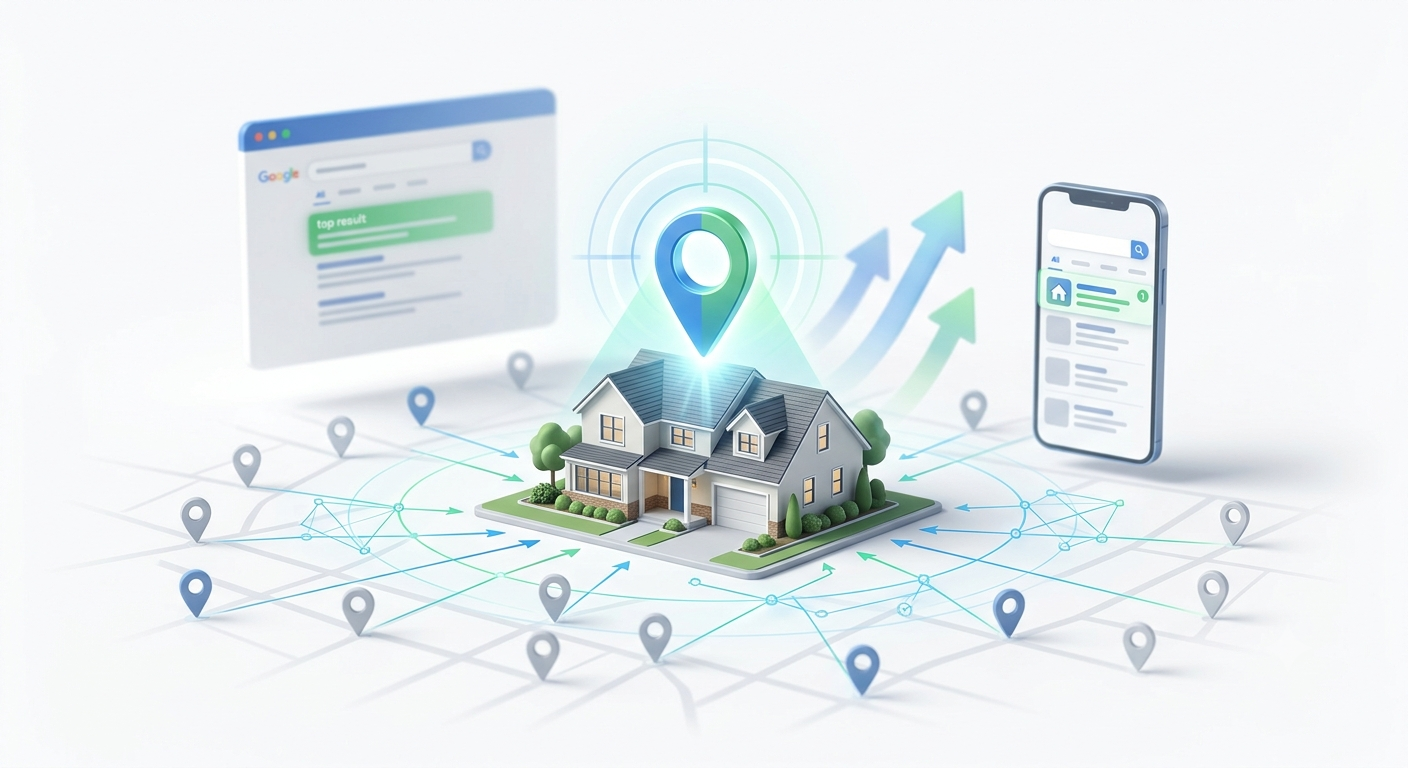
For most storm protection companies, local search is where the bulk of qualified traffic comes from. A fully optimized Google Business Profile, one with accurate service categories, regular photo updates, and active responses to questions and reviews, tends to outperform a neglected one by a wide margin. Listing specific services like accordion shutters, roll-down shutters, and impact windows separately (rather than a vague “home improvement” category) also helps you show up for more specific searches.
Local Citations and NAP Consistency
Beyond your Google profile, getting listed accurately across relevant home services directories builds broader local credibility. This is where NAP consistency comes in, making sure your business name, address, and phone number match exactly everywhere they appear. Inconsistent listings, an old address here, a different phone number there, send confusing signals that can quietly undermine your local rankings even if everything else is solid.
Targeting Coastal Markets
Generic, one-size-fits-all content rarely performs well in this industry. Homeowners along the Gulf Coast search differently than those on the Atlantic Coast, and Florida homeowners in particular deal with specific requirements like Miami-Dade approval that don’t apply everywhere. Building out localized service area pages, rather than one generic “our services” page, helps you rank for the specific markets you actually serve.
SEO Strategy and Content That Converts
Keyword Research for the Storm Protection Industry
Effective keyword research for this space means going beyond “hurricane shutters” as a single broad term. Homeowners search for specific product types, accordion shutters, Bahama shutters, colonial shutters, storm panels, hurricane screens, and building content around those specific terms captures traffic that a generic page would miss entirely.
On-Page and Technical SEO
Each shutter type deserves its own dedicated page, covering materials, installation process, and pricing considerations. On top of that, technical SEO basics, site speed, a mobile-friendly website, clean site structure, matter more than a lot of contractors realize. A slow-loading site loses homeowners before they even see your content, no matter how good that content is.
Content Marketing and Content Strategy
A solid content strategy for this industry usually centers on the questions homeowners are already asking: what hurricane season prep actually involves, how wind mitigation inspections work, what insurance discounts might apply after installing impact-resistant shutters. This kind of content marketing does double duty, it builds search visibility while also educating and reassuring homeowners who aren’t ready to buy yet.
Off-Page SEO and Backlinks
Backlinks from local news sites, industry associations, or partner contractors (roofing companies, window installers) add credibility in the eyes of search engines. Building relationships with these kinds of sites tends to be more effective long-term than generic link-building tactics.
Paid Advertising for Faster Lead Generation
PPC Advertising and Google Ads
While SEO builds long-term visibility, PPC advertising fills the gap for immediate demand, especially valuable right before or during an active storm threat. Campaigns built around high-intent searches like “hurricane shutter installation near me” tend to convert well because the searcher is already close to making a decision. Local Service Ads, which appear above traditional search ads, are worth testing too, they often get strong click-through rates for home service businesses.
Search Ads vs. Display Ads vs. Remarketing
Search ads work best for capturing people actively looking to buy. Display ads are more useful for building broader awareness earlier in the season. Remarketing, showing ads to people who visited your site but didn’t convert, is particularly valuable in this industry, since a lot of proactive homeowners research for weeks before finally committing.
Social Media Advertising
Facebook Ads and Instagram Ads work well for this industry because the product is visual. Video marketing showing shutters deploying, or footage from actual storm events, tends to perform better than static images. Seeing a product hold up in real conditions builds a kind of confidence that written copy alone can’t match.
Converting Website Visitors into Qualified Leads
Website Design and Landing Pages
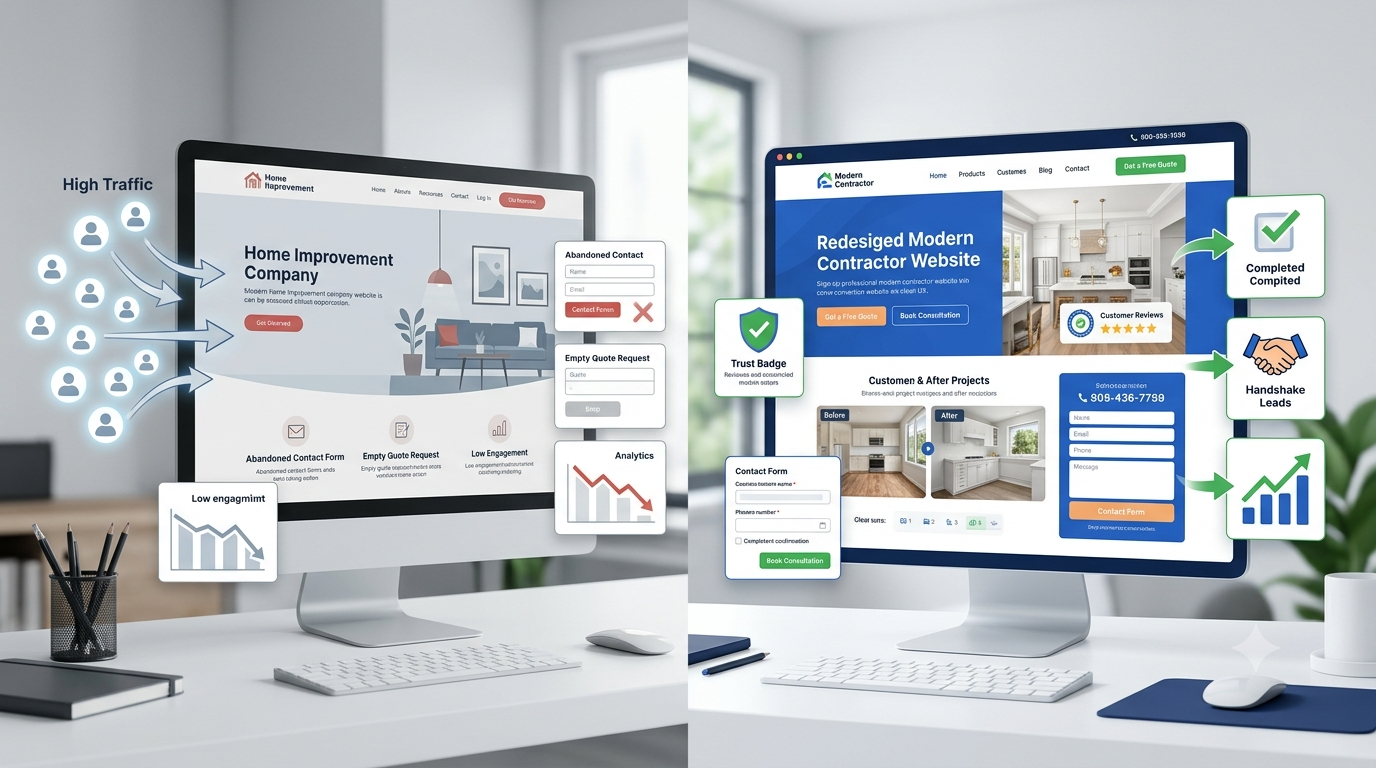
A general contractor-style homepage trying to cover everything often underperforms compared to dedicated landing pages built around specific products. Someone searching for roll-down shutters wants to land on a page about roll-down shutters, not scroll through a generic services list to find relevant information.
Conversion Rate Optimization
Small changes often move the needle more than people expect. Shortening quote request forms, testing different call-to-action wording, and making phone numbers easy to find on mobile can all improve conversion rate without requiring a full site redesign.
Lead Generation and the Sales Funnel
Not every visitor is ready to request a quote immediately. Mapping content to each stage of the sales funnel, educational content for early-stage visitors, comparison guides for those evaluating options, clear pricing and CTAs for people ready to buy, helps capture qualified leads at every point in their research, not just the ones already at the finish line.
Building Trust with Coastal Homeowners
Customer Reviews and Online Reputation
Storm protection is a safety purchase, not just a home improvement one, so trust matters more here than in a lot of other industries. Strong customer reviews and a well-managed online reputation reassure homeowners that they’re not gambling on an unfamiliar company for something this important.
Testimonials and Case Studies
Real stories carry weight, especially ones that show shutters actually performing during a storm. Case studies documenting a home that came through a hurricane undamaged, paired with a clear explanation of the products used, tend to be some of the most persuasive content a storm protection company can publish.
Trust Signals That Matter in This Industry
Beyond reviews, homeowners look for professional installation credentials, warranty details, and code compliance. Referencing FEMA guidance or wind mitigation standards where relevant adds another layer of credibility that generic marketing copy doesn’t provide.
Nurturing Leads with Email and Marketing Automation
Email Marketing for Seasonal Campaigns
Email marketing works particularly well for this industry because of its seasonal nature. A reminder campaign sent a few weeks before hurricane season starts often converts homeowners who’d been meaning to get shutters installed but hadn’t gotten around to it yet.
Marketing Automation and CRM
Pairing email campaigns with marketing automation and a CRM system lets you follow up consistently without manually tracking every lead. Automated sequences for quote requests, appointment reminders, and post-installation check-ins keep leads warm without adding to your team’s workload.
Measuring What Works
Analytics and Conversion Tracking
None of these strategies matter much without solid analytics and conversion tracking in place. Tracking both form submissions and phone calls gives a fuller picture of which channels are actually generating business, since a lot of home service leads still come through a phone call rather than a web form.
Cost Per Lead and ROI
Calculating cost per lead across SEO, PPC, and social channels helps clarify where your budget is working hardest. From there, connecting that number to actual ROI and sales growth, not just raw lead volume, tells you which channels deserve more investment going forward.
Organic vs. Paid Lead Comparison
Most successful storm protection companies rely on a mix of organic leads and paid campaigns rather than betting everything on one channel. Organic traffic tends to be more cost-effective long-term, while paid campaigns fill in gaps during peak-demand periods.
Standing Out from Competitors
Competitive Analysis
A quick competitive analysis of how local roofing contractors, window companies, and general contractors are marketing their storm protection services often reveals easy opportunities, maybe none of them have detailed product pages, or their reviews are outdated.
Differentiating Your Product Line
Highlighting specialty offerings like motorized shutters, custom shutters, or security shutters helps set you apart from companies offering only basic options. Framing these products around energy efficiency and curb appeal, not just storm protection, can also appeal to homeowners who care about property value alongside safety.
FAQs
What’s the best digital marketing channel for hurricane shutter companies?
Local SEO tends to deliver the most consistent, cost-effective leads over time, though PPC advertising is valuable for capturing urgent, storm-driven demand.
How do I get more leads before hurricane season starts?
Pre-season email campaigns, seasonal content, and remarketing ads targeted at past website visitors all tend to perform well in the weeks leading up to hurricane season.
Do customer reviews really impact conversions for storm protection companies?
Yes, reviews carry significant weight for safety-related purchases like hurricane shutters, since homeowners want reassurance before committing to a high-ticket installation.
Should hurricane shutter companies use PPC or focus on SEO first?
Most companies benefit from both, SEO for sustainable long-term visibility, and PPC for filling gaps during high-demand periods like an approaching storm.
Bottom Line
Marketing a hurricane shutter company effectively means combining strong local visibility, trust-driven content, and fast-moving paid campaigns that align with hurricane season urgency. From Google Business Profile optimization to remarketing and CRM-driven follow-up, the strategies that work are the ones built around how homeowners actually search and decide. Ready to grow your bookings? Start with a clear, coordinated digital marketing plan.